
TL;DR
- Start before day one: audit last semester's mistakes, lock in your schedule, and build your study system before the workload arrives.
- Second semester tends to feel harder than first, not because the material is always worse, but because motivation crashes and instructors raise expectations.
- Junior year is widely considered the hardest year in both high school and college, though the reasons differ: AP overload in high school, major-level coursework and outside responsibilities in college.
- Passive study habits like re-reading and highlighting feel productive but do not build real retention. Active recall and spaced repetition are the methods that actually stick.
- The right tools matter: setting up your AI study system during prep week, not week four, is what separates students who stay ahead from students who are always catching up.
Introduction
Every semester starts the same way. You've got the fresh notebooks, the optimistic color-coded calendar, and the very sincere belief that this time is going to be different. Then week three happens. One assignment piles into another, you miss a review session, and suddenly you're back in survival mode.
The problem is not effort. It is timing. Most students wait until they are already behind to build their systems. Semester prep is not something you do after the first quiz. It is something you do before you ever set foot in the classroom.
This guide breaks down exactly how to prepare for a new semester, whether it is your first week of college, your second semester of sophomore year, or the start of what everyone keeps calling "the hardest year." You will also get real answers to the questions students actually Google: Is semester 2 harder than semester 1? What's the toughest year in college? Is junior year in high school as brutal as they say?
Let's get into it. And if you want to build game-changing study habits alongside your prep, that is a great place to start.

New Semester Prep Checklist
Use this as your quick-start list before classes begin:
- Review last semester and write down the 2 or 3 habits that hurt you most.
- Download every syllabus as soon as it is available.
- Add exams, papers, projects, and major readings to one calendar.
- Identify your hardest class before week one, not after the first bad quiz.
- Pick one study method for each class: flashcards, practice questions, summaries, or problem sets.
- Set up your flashcard or AI study tool before lectures start.
- Block 2 or 3 recurring study sessions into your weekly calendar.
- Choose your main study location and one backup location.
- Create a Sunday review habit so each week gets cleaned up before the next one starts.
- Leave open buffer time for assignments that take longer than expected.
Why Semester Prep Actually Matters Before Day One
The "fresh start" trap most students fall into
There is a particular kind of optimism that hits at the start of every semester. You feel reset, motivated, ready. That feeling is real, and it is also dangerous if you mistake it for a plan.
The students who perform best over the long haul do not rely on motivation. They rely on systems they built during prep week, when the pressure was still low. Motivation is a renewable resource, but it runs out fast once assignments start stacking. Your system is what carries you when motivation does not show up.
What your brain needs before the workload hits
Your brain does not switch from "break mode" to "exam mode" overnight. It needs ramp-up time. Using the week before a semester to ease back into active studying, review old material, preview new syllabi, and do a few low-stakes practice recalls primes your memory pathways before they actually need to perform. Think of it like warming up before a race rather than sprinting cold.
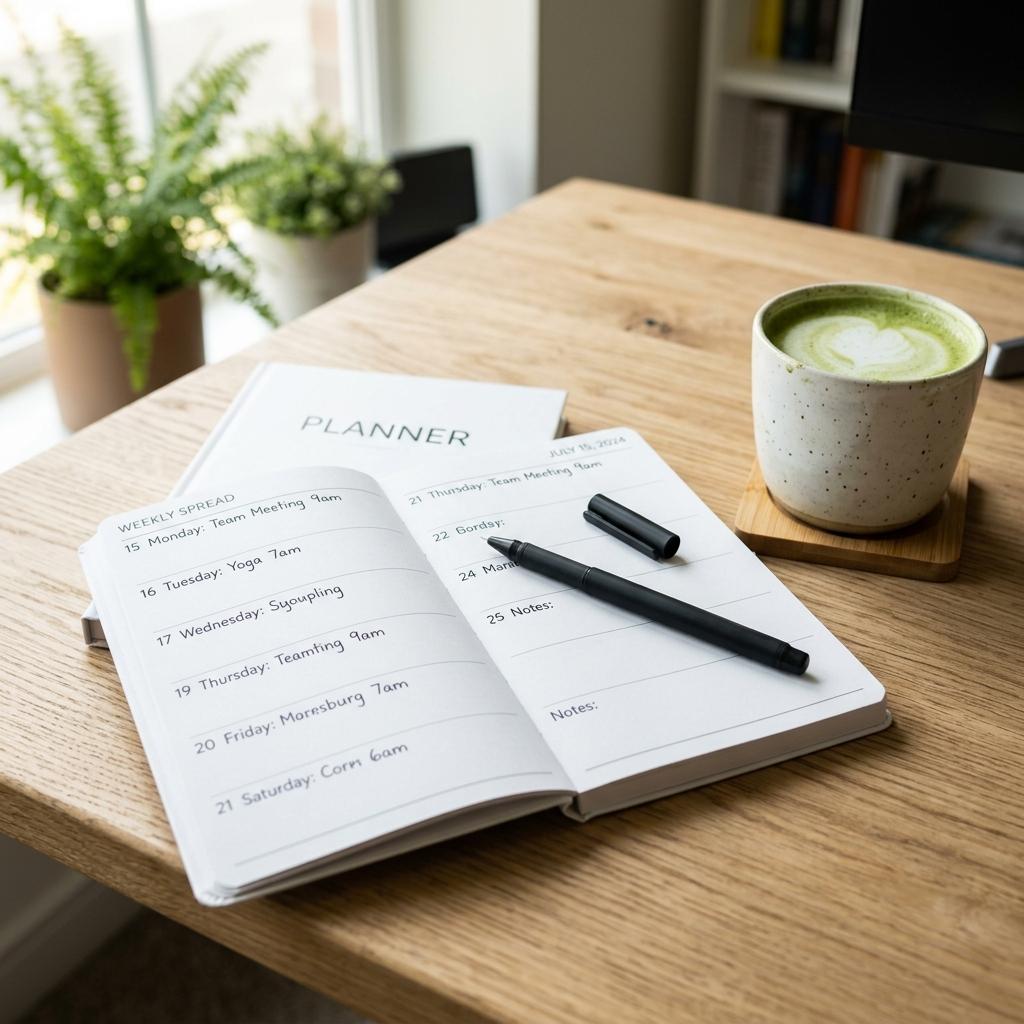
How to Prepare for the Fall Semester (Or Any Semester) in 5 Steps
Step 1: Audit what went wrong last semester
This is the step most students skip. Before you plan anything new, look back honestly. Where did your grades slip? Which weeks were total chaos? Which class consistently blindsided you? Write it down. A 10-minute audit is worth more than a month of vague intentions to "do better."
Step 2: Lock in your schedule and syllabi early
The moment syllabi are available, download every single one. Map out every major deadline on one calendar: exams, papers, project due dates. You want the whole semester visible in one place, not buried in separate course portals. The students who see the crunch points coming are the ones who can prepare for them. Check out what else belongs in your framework with this guide on how to study effectively in college.
Step 3: Set up your study system before week one
Do not wait until the first exam to figure out how you are going to study. Decide now: what note-taking method are you using? How will you review material, with flashcards, practice tests, or self-quizzing? Where will you study? Building the system during prep week means it is already habit when the pressure arrives.
This is also the right time to set up Cramd if you use AI flashcards. Upload your syllabi, notes, PDFs, or early readings before the semester gets busy, then turn them into review materials while you still have breathing room. The goal is not to add another app to your life. It is to make active recall easier to start when your workload spikes.
Step 4: Build your week before the semester builds it for you
Time management for students is not about squeezing more into your day. It is about designing your week intentionally so you are not just reacting. Block study sessions before they get bumped by everything else. Leave buffer time between packed days. Give yourself designated recovery periods. Time management for students comes down to protecting your calendar before everyone else fills it.
Step 5: Prep your tools (not just your backpack)
A new pack of pens will not save you. Setting up your AI study tools will. Load your syllabi, upload your course PDFs, and start building your first flashcard decks before lectures even begin. When you are ready to actually run the material, your tools are already in place instead of being something you set up at 11pm the night before an exam.
What to Do the Week Before Classes Start
The week before classes is not for pretending you will become a completely different person. It is for removing the obvious friction that usually makes week three chaotic.
Day 1: Gather the basics
Download syllabi, check course portals, confirm class times, and save professor contact information. If a syllabus is missing, create a placeholder on your calendar anyway so the class does not become invisible.
Day 2: Build your deadline map
Put every known exam, quiz, essay, lab, presentation, and project into one calendar. Then look for cluster weeks where multiple deadlines land together. Those are the weeks you need to start preparing for early.
Day 3: Set up your study workflow
Create folders for each class, choose where notes will live, and decide how material becomes reviewable. For content-heavy classes, that might mean turning lecture notes into flashcards every Friday. For problem-heavy classes, it might mean collecting missed problems into a weekly practice set.
Day 4: Preview your hardest class
Spend 30 to 45 minutes skimming the first chapter, module, or reading list for the class that worries you most. You are not trying to master it yet. You are just giving your brain a first pass so the first lecture feels less like a cold start.
Day 5: Protect your first two weeks
Block recurring study sessions, recovery time, and a weekly review slot. Keep the first two weeks lighter socially if you can. A strong start gives you margin, and margin is what keeps one missed assignment from turning into a spiral.
Is Semester 1 or Semester 2 Harder?
This one gets asked constantly, and the honest answer is: it depends on what kind of hard you mean.
Why second semester tends to feel harder, even when it technically is not
First semester is full of novelty. New classes, new people, new routines. There is an energy that carries a lot of students through even when they do not have great habits. Second semester courses often go deeper into the material, demanding a higher level of understanding and engagement, and the excitement that cushioned semester one has largely worn off.
That shift hits hard because it is invisible. You are not taking harder classes on paper. You are just fighting gravity. The same workload that felt manageable in October feels brutal in February.
The motivation crash no one warns you about
Second semester has a specific psychological problem: motivation drops while course difficulty rises. Instructors often grade more strictly in the second half of the year, assuming greater competency from students. At the same time, many students are running on fumes from the first semester grind. Procrastination increases. Focus shrinks. The gap between "what I need to do" and "what I can bring myself to do" widens.
The fix is not to push harder. It is to restructure your approach before the slump hits, not after.

Why the "Hardest Year" Question Still Matters for Semester Prep
Students often search for the hardest year because they are trying to predict how much pressure is coming. That is useful, but only if it changes how you prepare.
In college, sophomore and junior year require earlier systems
Sophomore year can be fragile because the newness of college has worn off, but many students still have not built reliable systems. About 23% of students never make it into their second year of college, and another 10% leave before reaching junior year, which shows how much accumulated pressure can matter.
Junior year usually adds a different kind of load: major-level classes, internships, research, leadership roles, and career planning. Students often start taking more classes in their major by year two, and those classes tend to demand more independence. The prep lesson is simple: if this semester is part of a harder year, do not wait for the first exam to build your workflow.
In high school, junior year needs calendar protection
Junior year is widely considered the hardest year in high school because AP and IB classes, SAT or ACT prep, and college pressure often overlap. One 2024 survey of 12,000 U.S. high school students found that 68% of juniors reported feeling "constant stress" during the fall semester, the highest rate of any grade level.
That does not mean every junior is doomed. It means your semester plan needs more protection. Put test dates on your calendar early, avoid stacking every AP review session into the same week, and build smaller weekly review habits so college-prep stress does not crowd out your actual classes.
The Study System That Actually Carries You Through the Hard Semesters
Active recall is better than re-reading
Most students study the wrong way. Re-reading notes, highlighting textbooks, and watching lecture recordings again feel productive because they are comfortable. But research consistently shows that passive methods produce weak long-term memory. The methods that actually work force your brain to retrieve information rather than just recognize it. That is active recall studying: closing your notes and trying to remember, doing practice questions, and self-quizzing with flashcards. The struggle to retrieve is exactly what builds durable memory.
Spaced repetition: studying smarter, not more
Active recall tells you how to study. Spaced repetition tells you when. Rather than cramming everything the night before, spaced repetition has you review material at increasing intervals: right after a lecture, then a day later, then three days later, then a week out. This approach combats the forgetting curve and reinforces long-term retention, which means you are not re-learning the same thing over and over before every exam. You are actually keeping it.
Combining both methods, active recall and mastering spaced repetition, is the closest thing to a study cheat code that actually exists. Build this into your semester system from day one, not week eight.

Conclusion
Preparing for a new semester is not about buying the right supplies or feeling motivated enough. It is about building the right systems before the pressure hits, understanding the landscape you are walking into, and using study methods that actually work, not just ones that feel productive.
The students who thrive through second semester slumps, sophomore year dips, and brutal junior year gauntlets are not the ones with the most willpower. They are the ones with better systems.
If you want to put active recall and spaced repetition on autopilot from day one, Cramd's AI flashcard generator turns your notes, PDFs, and syllabi into smart study materials in seconds. Try it free ->