Summer's winding down, and that mix of "I'm excited" and "wait, when did this become due" is starting to creep in. If you're not sure where to even start getting ready, you're not alone. Most students wait until the week before move-in to think about any of this.
The good news is that you do not need to overhaul your entire life. You need a short, practical list of things to do before the semester starts, and about a week or two to knock them out. This checklist covers the logistics, the habits, and the study setup that shape how your first month goes.
Here are the 10 things worth doing now, before your calendar fills up.
Why Prepping Before the Semester Starts Actually Matters
It is tempting to coast until the first day and figure it out as you go. The problem is that the first two weeks of any semester move fast. Syllabi pile up, deadlines get set, and habits form whether you are paying attention or not.
Students who walk in with a system already in place spend less time scrambling and more time actually studying effectively. A little prep now buys you a much calmer start.
The Complete Pre-Semester Checklist
1. Lock In Your Class Schedule and Key Dates
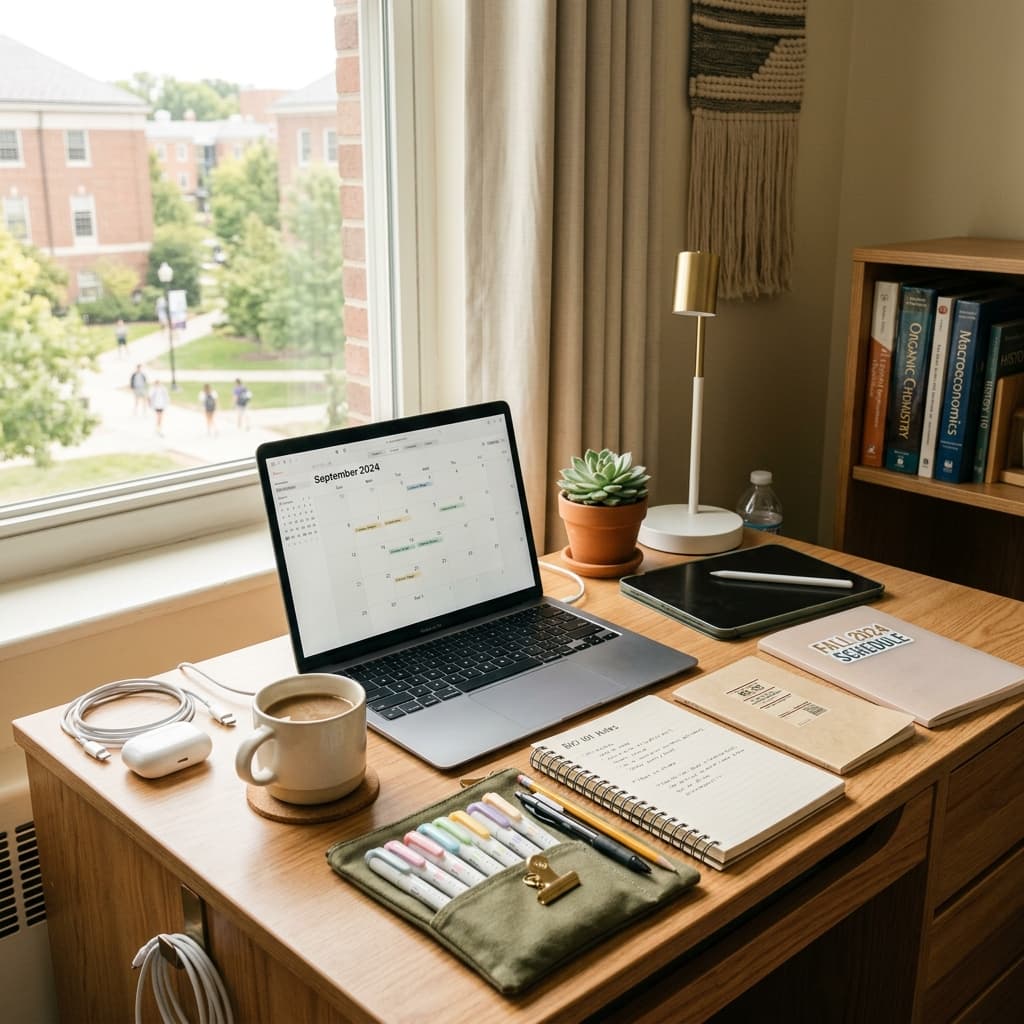
Before anything else, pull up your schedule and write down the dates that actually matter: tuition deadlines, the add-drop window, and the first day of classes for every course.
A simple digital calendar or planner works fine. The point is having one place where every deadline lives. If you want a stronger system for balancing classes, work, and everything else, this guide on time management for students is a strong next step.
2. Get Your Textbooks and Supplies Early
Waiting until the week of classes to order books is how you end up behind before your first lecture. Check each syllabus, or last semester's posted book list if that is all you have, and order or rent what you need now.
The same goes for basic supplies like notebooks, a working laptop, chargers, and a planner. Take inventory of what you already have before buying anything new.
3. Set Up a Study Space You Will Actually Use
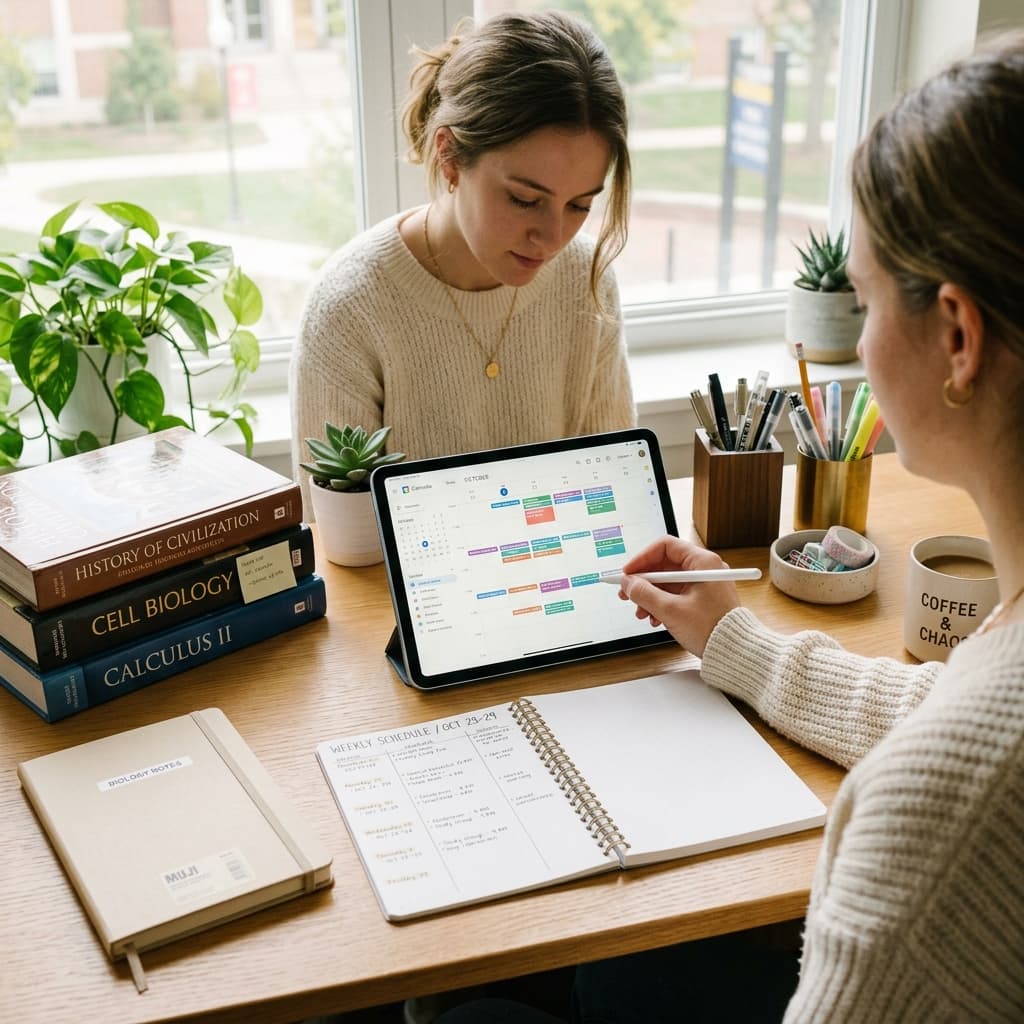
You do not need a perfect desk setup. You need one spot in your dorm, apartment, or house that is dedicated to studying and reasonably free of distractions.
If you are commuting or sharing space, scout a backup location too, like a library corner or a quiet coffee shop, so you always have somewhere to work when home is not ideal.
4. Reset Your Sleep Schedule
This one gets skipped constantly, and it should not. Summer sleep schedules drift, and trying to snap back overnight usually makes the first week harder than it needs to be.
Start shifting your bedtime and wake-up time 15 to 20 minutes earlier every couple of days, about one to two weeks before classes begin. Small changes are much easier to sustain than one painful reset the night before school starts.

5. Set Up Your School Email and Online Portals
If you are new to a school, get your student email, learning platform, and any student portals working now, not on day one when everyone else is also trying to log in.
Professors often send syllabi, textbook lists, or first-assignment details before classes officially start, so it is worth checking your inbox early and often.
6. Preview Your Syllabus As Soon As It Drops
If your syllabi are posted before classes begin, do not wait to open them. Reading through exam dates, grading breakdowns, and attendance policies now means you are not scrambling to understand the semester during week one.
If a professor posts a long syllabus or a dense reading packet in advance, dropping it into an AI PDF summarizer can help you pull out the key dates and policies quickly.
7. Build a Note-Taking and File System
Decide now how you are going to organize notes, readings, and assignments, whether that is digital folders, physical binders, or some mix of both.
Whatever you choose, set it up before the semester starts so you are not improvising a system three weeks in when your desktop is already a mess of unsorted files. If you want to compare methods first, this guide to the best note-taking methods can help.

8. Review Old Notes for Classes That Build on Each Other
If you are heading into a course that builds directly on something you already took, spend an hour reviewing your old notes.
You do not need to relearn the whole course. Skimming key concepts is usually enough to keep you from feeling lost in week one.
9. Check Your Budget and Financial Aid Status
Before the semester gets busy, confirm tuition is paid or your aid is finalized, budget for books and supplies, and sketch out a rough monthly budget for food, transportation, and other regular expenses.
This is not the most exciting item on the list, but it becomes much more stressful if you put it off until the semester is already in motion.
10. Pick Your Study Tools for the Semester
Decide how you are actually going to study this term, not just how you are going to attend class. Active recall and spaced repetition are two of the most effective study methods, and they work much better when you have a system in place from day one.
This is where an AI flashcard tool can help. Cramd's AI flashcard generator turns lecture slides, notes, or PDFs into study-ready flashcards in seconds so you can spend more time reviewing and less time preparing to review.

How Many Days Before the Semester Should You Start Prepping?
Aim for one to two weeks out. That gives you enough time to shift your sleep schedule gradually, order textbooks before they sell out, and set up your study space and note system without cramming everything into a single weekend.
If your syllabi are posted early, even a few extra days of lead time helps.
What Should You Buy Before the Semester Starts?
At minimum, get your required textbooks, basic supplies like notebooks and folders or a dedicated digital setup, and anything a specific class requires, like a calculator or lab materials.
Do not over-shop. Check what you already own first, then fill in the gaps.
How Do You Reset Your Sleep Schedule Before School Starts?
Start shifting your bedtime and wake-up time 15 to 20 minutes earlier every two to three days, beginning about one to two weeks before classes start. Keep your wake-up time consistent, even on weekends, since that is what resets your body clock fastest.
If your summer schedule has drifted by more than a couple of hours, start the adjustment earlier so the transition does not feel rushed.
Final Thoughts
Out of everything on this list, three things usually matter most: locking in your schedule, resetting your sleep, and building a study system before you need it. Everything else gets easier once those are in place.
You do not need to do all ten things in one day. Spread them out over the next week or two, and you will walk into your first class much more prepared.
And when the syllabi and reading lists start landing all at once, you do not have to build your study materials from scratch. Cramd turns your notes, slides, and PDFs into flashcards and quizzes automatically, so you spend more time studying and less time setting up. Try it free.